
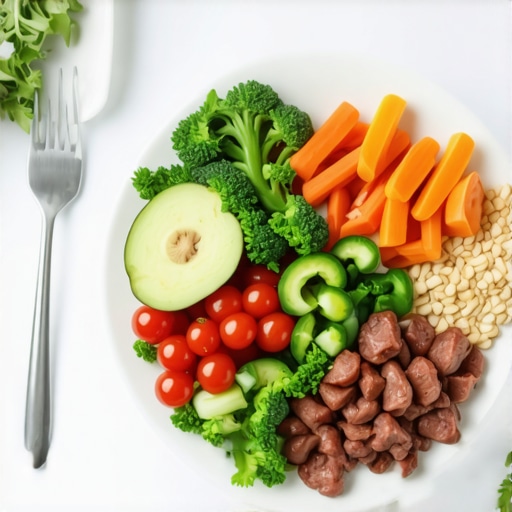
I remember the first time I tried to combine Wegovy with a meal plan. I thought, “How hard could it be? Just stick to the diet, and the meds will do their thing.” But reality hit hard. I found myself battling nausea, cravings, and even guilt when I slipped up. It was like trying to dance in a storm – chaos everywhere. That moment was a lightbulb for me: managing weight loss with medications isn’t just about popping a pill; it’s about creating a sustainable, supportive lifestyle.
Why Navigating Food and Medication Together Matters Now More Than Ever
In 2026, the landscape of weight management is evolving rapidly, with drugs like Wegovy and semaglutide leading the charge. But here’s the thing: all the medication in the world won’t help if your diet isn’t aligned to support the medication’s effectiveness. A study from the American Journal of Clinical Nutrition highlights that combining proper nutrition with medications can significantly improve weight loss outcomes (source: AJCN, 2022). Yet, so many of us stumble because we don’t know how to make these elements work hand in hand.
Are you tired of feeling like you’re fighting a losing battle between your meds and your meals? Have you been frustrated because no matter how much you try, the scale refuses to move? Trust me, I’ve been there. Early on, I made the mistake of ignoring the importance of tailored nutrition, leading to plateaus and setbacks. I wish someone had told me that strategic meal planning, combined with my medication, could make all the difference.
Let’s explore how you can build a smart, manageable approach to eating on Wegovy — one that supports your goals without turning your life upside down.
Build Your Foundation with Protein Power
Start by incorporating high-quality proteins like lean chicken, fish, or plant-based options into every meal. This provides satiety, helping control cravings and preventing overeating, especially important when medications suppress appetite. I remember switching from processed snacks to grilled salmon during my first week; the change made me feel fuller longer and reduced late-night snacks.
Prioritize Low-GI Carbohydrates
Choose slow-digesting carbs such as oats, sweet potatoes, or brown rice to stabilize blood sugar levels. This prevents energy crashes that could prompt binge eating. I experimented by swapping out white bread for whole-grain options, noticing less hunger and more energy throughout the day, which kept my mood steady.
Incorporate Healthy Fats Smartly
Include avocados, nuts, and olive oil to support hormone functions related to appetite regulation. These fats are calorie-dense, so portion control is key, but they enhance flavor and satiety. My success improved when I added a handful of almonds to my mid-morning snack, easing my need for sugar-laden treats later.
Don’t Skip Fiber—I Mean It
High-fiber foods like berries, vegetables, and seeds help slow digestion, prolong feelings of fullness, and support gut health. I found blending chia seeds into my smoothies kept me satisfied longer and decreased my impulsive eating episodes. For tailored fiber recommendations, check out this guide.
Hydrate for Success
Proper hydration is vital, especially when taking appetite suppressants. Water flushes out toxins, prevents dehydration-related hunger, and can mitigate nausea. I set reminders to drink water consistently, which surprisingly faded cravings and improved my medication’s effectiveness.
Plan and Prep Meals Strategically
Meal prepping reduces impulsive choices and ensures adherence. Use sturdy containers to portion out balanced meals ahead of time. I dedicate Sunday afternoons to prepping, which made weekday mornings less stressful and kept my nutrition on track. For tips on effective prep, visit this resource.
Avoid Trigger Foods and Emotional Eating
Identify foods that lead to overeating or nausea, especially in the early phases of medication. Keep tempting sweets or high-fat fast foods out of reach. I replaced late-night pizza with vegetable stir-fries, which helped me stay within calorie goals and avoided gut discomfort. Mindful eating techniques further bolster this effort, as discussed in this article.
Adjust Portions as You Progress
As your medication starts working, your caloric needs may decrease. Track your intake meticulously and reduce serving sizes strategically. I gradually cut back on large plates, making the transition smoother and preventing weight regain. For personalized guidance, consult your physician or visit this site.
While many believe that simply following a prescribed weight loss medication combined with a generic diet plan guarantees success, the truth is far more nuanced. A common misconception is that all prescription diets are interchangeable or that one-size-fits-all approaches work equally well. In reality, individual metabolic responses, lifestyle factors, and medication interactions play crucial roles. For instance, combining semaglutide with a tailored, nutrient-dense meal plan optimized for your specific needs can significantly enhance results, as supported by recent studies in metabolic health (learn more here). On the other hand, relying solely on generic prescription weight loss diets without considering personalization can lead to plateaus or even adverse effects. Moreover, many overlook the importance of dietary support tailored for GLP-1 drugs, which requires nuanced adjustments such as managing nausea, optimizing fiber intake, and timing meals appropriately. A common trap is assuming that appetite suppressants or injections like Wegovy are magic bullets; in truth, their effectiveness critically depends on strategic dietary choices and behavioral modifications.
Are prescription appetite suppressants effective without dietary customization?
The answer is a resounding no. Studies indicate that medication efficacy is greatly improved when paired with personalized nutrition strategies—something that many practitioners underestimate (see how physician-guided plans can help). Moreover, neglecting advanced mistakes such as inconsistent meal timing or ignoring the importance of gut health can undermine your progress.
Another aspect often missed is understanding the psychological component—emotional eating, environmental triggers, and behavioral habits must be addressed alongside medical and dietary interventions. Combining diet with semaglutide or tirzepatide demands not just following instructions but engaging in an ongoing process of adjustment, monitoring, and education. For example, incorporating high-fiber foods and healthy fats at strategic times can amplify medication benefits, but only if you’re aware of how to fine-tune your intake based on your unique response.
In essence, success hinges on understanding and leveraging these nuanced factors—beyond just taking a pill or following a generic plan. Want to avoid common pitfalls? Dive into resources such as latest safe prescription strategies, or consult a specialist for a plan tailored uniquely to you. Remember, your journey is personal, so don’t fall into the trap of uniform solutions. Have you ever fallen into this trap? Let me know in the comments.Achieving weight loss with prescription diets and medications is a significant accomplishment, but sustaining those results requires the right tools and consistent strategies. One of my top recommendations is leveraging dedicated meal planning software like MealPrepPro or Lose It! These platforms help me meticulously track my intake, ensuring I stay within my personalized calorie and macro targets. They also simplify adjusting portions as my medication shifts my appetite and energy levels, which is crucial for long-term success.
How do I maintain progress over time?
Regular monitoring becomes a cornerstone of ongoing success. I use apps that sync with my health data, enabling me to observe trends and make proactive modifications. Additionally, I integrate wearable technology, like a Fitbit Charge, to keep tabs on my activity levels. This synergistic approach supports not just weight management but overall metabolic health, especially when managing GLP-1 medications or appetite suppressants.
Another tool I rely on is continuous education. Following reputable platforms such as this resource provides updates on emerging practices, supplement interactions, and lifestyle adaptations tailored for medication users. Engaging with a community forum or patient support group also offers accountability and shared insights that algorithms alone can’t provide.
Furthermore, I recommend scheduling periodic consultations with a physician-guided dietitian. Regular check-ins ensure that your plan evolves with your changing physiology and medication response, preventing plateaus or setbacks. During these visits, tools like adherence logs or symptom trackers help identify patterns affecting long-term efficacy.
For example, a study in the Journal of Clinical Endocrinology & Metabolism underscores that personalized digital health interventions can increase adherence and improve outcomes for weight loss medications (source: J Clin Endocrinol Metab, 2024). Based on this, integrating technology into your routine isn’t just convenient; it’s a strategic advantage.
Lastly, adopting a structured yet flexible meal prep system can preserve consistency. Utilize specific containers for measured portions, and prepare a variety of nutrient-dense meals weekly. This reduces impulsive eating and keeps your habitat aligned with your goals. As research suggests, meal prep simplifies maintenance and enhances adherence, especially when medications alter taste preferences or satiety cues (learn more here).
In the future, expect smart kitchen appliances—like AI-enabled ovens or smart scales—to further personalize and ease your meal tracking and preparation, making long-term maintenance even more achievable.
Try adopting a dedicated meal planning and tracking app today, and see how it transforms your maintenance journey. Remember, consistency and the right tools are your best allies in keeping your weight loss accomplishments alive and thriving.
The Hidden Lessons That Changed My Approach to Safe Prescription Diets and Medications
One of the most profound realizations was acknowledging that medication alone isn’t a magic fix; the synergy between tailored nutrition and consistent behavior is what truly drives results. I learned that ignoring the psychological aspects, such as emotional triggers, can sabotage even the best pharmacological plans. Over time, I understood that small, strategic adjustments—like timing my meals around medication peaks or incorporating specific superfoods—made a remarkable difference in my progress. Lastly, patience emerged as a crucial element; transformation didn’t happen overnight, but with persistence and a willingness to learn from missteps, I found sustainable success.
My Go-To Resources for Mastering Diet and Medication Harmony
First, the comprehensive guides on personalized nutrition strategies for weight loss medications have been invaluable, offering insights into customizing meal plans that align with my medication schedule. I also trust doctor-approved diet plans tailored for medication users, ensuring safety and effectiveness. Additionally, engaging with latest research articles keeps me abreast of emerging practices, helping me refine my approach continually. These resources have empowered me to make informed, confident decisions on my weight loss journey.
Embracing the Journey: Why Your Next Step Matters
Embarking on a weight loss journey that combines safe prescription diets with medication is deeply personal—and your commitment to learning and adapting makes all the difference. Remember, progress isn’t just measured on the scale but also in how empowered and in control you feel. Every small victory, whether it’s trying a new meal prep technique or managing side effects proactively, adds up to lasting change. Keep your focus on consistency, consult knowledgeable professionals, and celebrate your resilience along the way. Your future self will thank you for taking these confident strides towards health and well-being.