
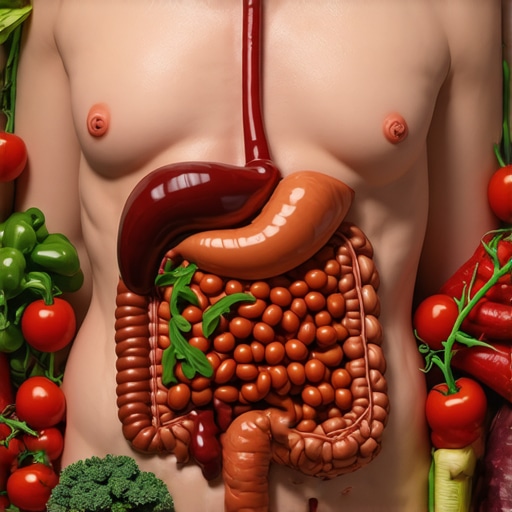
I remember the moment I realized my weight loss journey was causing me more than just a few extra visits to the scale—it was impacting my gallbladder. One morning, I felt a sharp pain after a particularly intense workout session, and it hit me: I hadn’t paid enough attention to my gallbladder health, especially during rapid weight loss. That lightbulb moment made me dig deeper, and I discovered a truth many overlook: quick weight loss, especially with medication, can often lead to gallbladder issues if you’re not careful.
Why Your Gallbladder Deserves Your Attention When Shedding Pounds
Losing weight is great, but it’s not just about watching the numbers drop. Your gallbladder—a small organ tucked away beneath your liver—plays a vital role in digesting fats by releasing bile. When weight loss happens rapidly, especially with certain prescriptions like semaglutide or tirzepatide, the liver starts producing more cholesterol and bile, which can lead to gallstones or inflammation. It’s a sneaky problem because many of us don’t notice the warning signs until we’re hit with severe pain or discomfort.
Did you know? According to the National Institute of Diabetes and Digestive and Kidney Diseases, rapid weight loss of more than 1.5 pounds per week increases the risk of developing gallstones significantly. This means that even while you’re chasing your weight targets, your gallbladder might be quietly struggling.
But here’s the good news: with the right diet strategies and some proactive habits, you can protect your gallbladder and make your weight loss journey smoother. Trust me, I learned this the hard way early on—mistakes like drastically cutting fats or neglecting fiber could have been avoided. Early on, I thought I could binge on fats because I was losing weight—big mistake. Incorporating balanced nutrition and staying mindful of gallbladder health is key.
In this guide, I’ll share practical tips based on my personal experience and research to help you keep your gallbladder happy during your own transformation. If you’ve ever faced unexplained stomach pain or fear that your weight loss could backfire, keep reading. We’re about to turn your journey into a safer, more sustainable adventure and ensure your gallbladder doesn’t become an unwanted casualty along the way.
Assess Your Dietary Baseline and Set Realistic Goals
Begin by evaluating your current eating habits. Track your typical fat, fiber, and sugar intake for a week to identify areas for adjustment. Aim for gradual weight loss—about 1 to 1.5 pounds per week—reducing the risk of gallstone formation. Establish clear, attainable targets to stay motivated and avoid rushing your progress.
Incorporate a Balanced, Low-Fat Diet
Focus on consuming healthy fats in moderation—think avocados, nuts, and olive oil—while avoiding saturated and trans fats that can overload your gallbladder. Use portions wisely and pair fats with fiber-rich vegetables, which aid digestion and gallbladder health. Replace fried foods with baked or steamed options to minimize inflammation risk.
Prioritize Fiber-Rich and Anti-Inflammatory Foods
Boost your intake of whole grains, legumes, and fresh fruits. Fiber binds cholesterol and improves bile flow, reducing gallstone risk. Incorporate turmeric and omega-3 fatty acids, known for their anti-inflammatory properties. These choices support your liver’s detoxification and your overall metabolic health, crucial during medication-assisted weight loss.
Adjust Your Macronutrient Intake for Med Support
For injections like semaglutide, tailoring your protein intake ensures muscle preservation and boosts satiety. Aim for lean proteins such as chicken, turkey, and fish—these help manage appetite without taxing your gallbladder. Supplement with plant-based proteins and a variety of vegetables to create a sustainable, enjoyable diet plan.
Time Your Meals Strategically
Eat smaller, frequent meals—every 3-4 hours—to facilitate steady bile flow and prevent gallstone formation. Avoid large, heavy meals that can overload your digestive system and exacerbate discomfort. Incorporating healthy snacks like nuts or yogurt can promote digestive balance and sustain energy levels between main meals. For detailed meal planning tailored for your medication regimen, consult [doctor-recommended diet plans](https://weightlossdietsadvantage.com/doctor-recommended-diet-plans-for-weight-loss-medications).
Stay Hydrated and Limit Rapid Weight Loss Tactics
Drink plenty of water throughout the day—aim for at least 8 glasses—to keep bile fluid. Hydration prevents sludge buildup and supports digestion. Avoid extreme calorie restriction or fad diets; instead, focus on steady, manageable weight loss strategies integrated with your medication plan. Learn more about safe approaches [here](https://weightlossdietsadvantage.com/unlocking-safe-prescription-weight-loss-strategies-for-2025).
Use Supplements Wisely for Gallbladder Support
Consider adding supplements like lecithin, which can help emulsify fats and promote healthy bile flow. Ensure you’re getting adequate vitamin D, as deficiencies may impact gallbladder function—check [why vitamin D matters](https://weightlossdietsadvantage.com/why-every-2026-med-patient-needs-more-vitamin-d). Always discuss supplementation with your healthcare provider before starting new products.
Monitor Symptoms and Adjust Your Plan Accordingly
Pay attention to warning signs such as persistent pain, nausea, or bloating. If discomfort occurs, review your diet and medication dosage with your physician. Regular check-ups and communicating symptoms early help prevent complications like gallstones. For tailored support, visit [our contact page](https://weightlossdietsadvantage.com/contact-us).
While many believe that taking medication alone guarantees weight loss success, the truth is far more nuanced. The common myth is that prescription appetite suppressants like semaglutide or tirzepatide operate independently of diet quality, but in reality, medication amplifies thoughtful nutritional choices rather than replaces them. Overlooking this synergy can lead to stalled progress or even health risks. For example, some users underestimate the importance of combining these meds with a well-balanced, low-fat diet rich in fiber, which enhances bile flow and mitigates gallstone formation—a known concern during rapid weight loss with meds. Additionally, many assume that following a generic diet plan is sufficient with prescriptions, but the most effective approach is highly personalized—tailoring macronutrients, meal timing, and supplement use to your unique physiology and medication type. This is why consulting healthcare professionals and dietitians for doctor-recommended diet plans is crucial.
What advanced strategies can optimize nutrition support when using GLP-1 receptor agonists?
Research shows that integrating omega-3 fatty acids, lecithin supplements, and vitamin D enhances bile stability and reduces gastrointestinal discomfort—key factors for successful, sustained weight loss. Still, many fall into the trap of relying solely on medication without addressing dietary nuances. Remember, medication supports but doesn’t replace nutritious habits. Incorporate high-fiber foods like legumes and whole grains, maintain adequate hydration, and focus on lean proteins to complement your pharmacological efforts. This combination not only sustains weight loss but also prevents common pitfalls like muscle loss or nutrient deficiencies, which are often overlooked in simplistic diet-medicine narratives. Be cautious of the ‘one-size-fits-all’ approach; a tailored plan can significantly improve your outcomes. For comprehensive guidance, explore expert tips on combining semaglutide with custom diets. Have you ever fallen into this trap? Let me know in the comments.
Keeping the Momentum with the Right Tools
Staying consistent on your weight loss journey, especially when using prescription meds like semaglutide or tirzepatide, requires more than just willpower; it demands a strategic approach supported by effective tools. Personally, I rely heavily on a combination of digital apps and practical equipment to track progress, optimize diet, and ensure long-term success. One tool I can’t live without is the MyFitnessPal app, which allows me to log meals precisely, monitor macro intake—especially beneficial when tailoring nutrition support for GLP-1 drugs—and identify patterns that may hinder or enhance my progress.
Additionally, I use a high-quality digital food scale to measure portions accurately. This small investment has transformed how I manage my macronutrient distribution, ensuring I maintain balanced, low-fat, high-fiber meals that support gallbladder health and overall well-being during medication-assisted weight loss.
For meal planning, I incorporate meal prep containers that are designed for portion control and durability, making it easier to stick with structured eating routines. Integrating these physical tools with my tracking apps creates a reliable system that minimizes slip-ups and keeps me aligned with my realistic goals, such as the recommended weight loss of 1-1.5 pounds weekly.
Predictions for the Future of Weight Loss Support Tools
Looking ahead, I believe the integration of AI-driven dietary analytics and personalized coaching will become mainstream, making it even easier to tailor diet plans in real-time based on blood glucose levels, activity data, and medication responses. Advanced gadgets like continuous glucose monitors (CGMs) could soon sync seamlessly with diet apps, providing immediate feedback and fostering smarter eating decisions.
How do I maintain these tools over time?
Regularly updating app software, calibrating equipment, and reviewing your data with healthcare professionals—like your dietitian or doctor—are key. Scheduling periodic check-ins ensures your tools evolve with your changing needs, especially as your medication dose or diet shifts. If you’re serious about a sustained, medication-supported weight loss plan, I recommend trying the strategic combination of digital and physical tools to maximize your success. Remember, the right tools can make or break your long-term results—so choose equipment that suits your routine and stay consistent with their use.
The Hardest Lessons I Learned About Prescription Medications and Gallbladder Care
One of my most eye-opening realizations was that rapid weight loss with medication isn’t just about the numbers on the scale. I learned this the hard way when I experienced intense gallbladder pain after a few months of aggressive dieting and medication use. It was a stark reminder that my body was telling me to slow down and pay attention to organ health, especially the gallbladder, which often gets overlooked in the rush for quick results.
Another lesson was recognizing that personalized plans trump generic advice every time. What works for someone else might pose risks for me—especially when it comes to balancing fats, fibers, and supplements to support long-term health. This hurt me initially, but it underscored the importance of consulting healthcare professionals for tailored strategies.
Finally, I discovered that tools and habits are game-changers. Using precise meal tracking, measuring portions, and scheduling regular check-ins made a huge difference in maintaining steady progress without overburdening my gallbladder or other organs.
My Top Picks for Navigating Weight Loss with Meds and Protecting Your Gallbladder
- Doctor-Recommended Diet Plans: These are tailored to medication use, focusing on nutrient balance and organ health. I trust the detailed guidance found here.
- Specialized Nutrition Resources: Books like “The New Science of Weight Loss” help me understand the intersection of medication, diet, and physiology. My go-to source for evidence-based insights.
- Digital Monitoring Apps: Tools like MyFitnessPal help me track macro intake and ensure I maintain a low-fat, high-fiber diet that safeguards my gallbladder. They keep me accountable and informed.
- Meal Prep Equipment: Portion control containers and high-quality scales make it easier to stick to planned meals, reducing guesswork and preventing overloading my digestive system.
- Community Support: Engaging with online groups focused on medication-supported weight loss provides encouragement, real-life tips, and shared experiences, which are invaluable for staying motivated.
Step Forward with Confidence and Compassion
The journey toward sustainable weight loss using prescription meds doesn’t have to be lonely or unsafe. Embrace the personalized strategies, lean on reliable tools, and listen closely to what your body is telling you. Remember, combining medical support with mindful nutrition and proactive habits is the key to achieving your goals without sacrificing your gallbladder health. You’ve got this—your future self will thank you for the dedication now.
Are you ready to put these insights into action? Share your experiences or questions below, and let’s support each other in making safe, effective progress on this transformative path.