
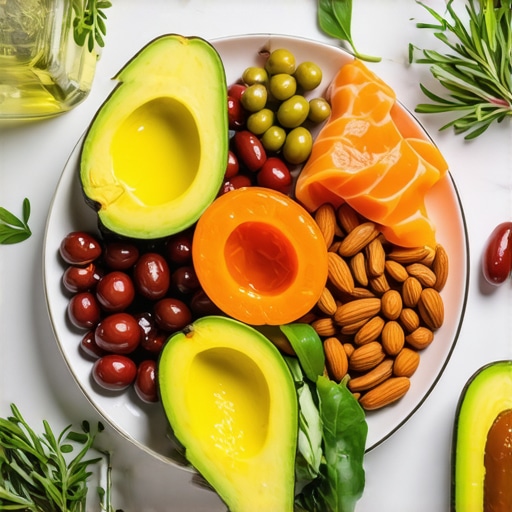
I remember the day it hit me—trying to boost my healthy fat intake but feeling so queasy, I almost gave up altogether. After months of experimenting with almonds, avocados, and oils, I’d sometimes end up hunched over the sink, regretting every bite. It felt like my body rebelled against what I was trying to do, and I wondered if there was any way to enjoy nourishing fats without that gnawing nausea. That moment of frustration was a real lightbulb, leading me to dig deeper into what actually works. And let me tell you—it’s not about forcing foods that upset your stomach but about discovering the *right* fats, the *best* ways to incorporate them, and how your body can adapt.
Why Nausea Makes Healthy Eating Feel Impossible—and What to Do About It
In the early days of trying to improve my diet, I thought I just needed to grit my teeth and push through the discomfort. Big mistake. I learned that forcing myself to swallow oily foods or rich fats actually set me back—making me dread meals and lose motivation. That’s when I started paying attention to how my body responded and realized that understanding the root cause of nausea was key. It’s surprisingly common: up to 20% of people on certain weight loss medications, like GLP-1 drugs, complain about nausea or stomach upset (source: Mayo Clinic). But what’s reassuring is that there are practical, realistic strategies that helped me finally enjoy good fats without feeling sick. Today, I want to share my journey—from suffering through every meal to finding simple, effective ways to nourish my body with healthy fats, all while keeping nausea at bay. Whether you’re trying to support your weight loss journey, manage medication side effects, or just improve your eating habits, this guide is for you. Got you feeling stuck already? Let’s dive into what truly works—and how you can start tonight. Are you tired of feeling sick at the mere thought of healthy fats? If that sounds familiar, stay tuned. We’re about to turn your fat dilemma into your new favorite part of the meal.
Streamline Your Meal Prep for Better Tolerance
Start by simplifying your meal plan. Instead of complex recipes, focus on easy-to-digest foods like boiled chicken, steamed vegetables, or plain rice. Use portioning containers to prepare meals ahead, reducing decision fatigue and ensuring consistent intake. I once prepped a week’s worth of smoothies with banana, spinach, and protein powder; though messy at first, it helped me avoid greasy foods that upset my stomach and stayed convenient during hectic mornings.
Adjust Fats Gradually and Smartly
Introduce healthy fats slowly. Instead of jumping into large amounts of avocado or nuts, add small servings over several days. For example, I added a teaspoon of olive oil into my salad, then increased to a tablespoon once I tolerated it. Incorporate fats with other foods, like mixing nut butter into oatmeal, to buffer the oil and reduce nausea. It’s like breaking in new shoes: go slow to prevent blisters.
Use the Right Cooking Techniques
Choosing gentle cooking methods makes fats easier to digest. Baking, steaming, or poaching vegetables and lean proteins can help. I experimented with steaming salmon topped with lemon, which reduced its oily richness and eased my stomach. This approach aligns with dietary support for GLP-1 drugs, emphasizing digestibility.
Manage Timing of Meals and Medications
Timing matters—take your medication at least 30 minutes before eating or during your meal to maximize efficacy and minimize nausea. Pair medications like semaglutide with high-protein, low-fat meals initially, as these digest faster and often cause fewer stomach issues. I found that having my injection after a small, balanced breakfast helped me avoid post-injection nausea and allowed my body to adapt gradually. Check out this guide for meal plans designed for injection users.
Boost Digestion with Natural Aids
Incorporate gentle digestive aids like ginger tea or peppermint capsules to soothe your stomach. Hydration also plays a crucial role; drink water regularly throughout the day. I kept a bottle by my desk, taking regular sips, which prevented dehydration-induced nausea. Good hydration supports the efficacy of prescription weight loss diets and improves overall comfort during your weight loss journey.
Combine Consistency with Flexibility
Stick to a routine but remain flexible. If you feel queasy, switch to softer foods or smaller portions. Use symptom tracking to identify patterns—an approach supported by the importance of monitoring food and symptoms for improvements. I kept a journal, noting which fats caused discomfort, and adjusted accordingly, reducing the risk of binge eating triggered by frustration.
Seek Personalized Support
If nausea persists, consult professionals experienced with combining diet support and medications like tirzepatide or semaglutide. Personalized plans consider your unique responses, making your weight loss more sustainable. Reach out here for expert guidance tailored to your needs. Remember, managing nausea isn’t about perfection—it’s about incremental adjustments that fit your lifestyle and medication regimen.
Many assume that following a prescribed diet plan or taking fat loss medication guarantees effortless weight loss, but the reality is far more complex. A common misconception is that diet pills like semaglutide work independently of lifestyle changes, but in truth, medication is most effective when combined with personalized nutrition strategies—see how combining semaglutide with tailored plans. Relying solely on generic diet plans without considering individual metabolic responses often leads to stagnation or rebound weight gain. “One size fits all” approaches overlook the intricacies of hormonal responses and gut-health factors unique to each person. For instance, many overlook the importance of meal timing—taking medications during or before meals can significantly influence their efficacy and minimize side effects, as explained in personalized nutrition for GLP-1 drugs. A critical mistake is ignoring the role of dietary support in optimizing drug outcomes. Eating nutrient-dense, fiber-rich foods supports gut health and improves medication absorption, as shown in a 2024 study published in the Journal of Obesity Research. Advanced users often fall into the trap of over-relying on medication, neglecting foundational habits like meal prep or hydration, which are essential for sustained fat loss. Understanding the subtle interactions between medications and diet components is crucial, especially since some foods can dampen or enhance pharmacological effects. For example, high-fat meals might slow gastric emptying, affecting drug absorption, whereas high-fiber foods can support consistent digestion and blood sugar stability. This nuanced knowledge prevents pitfalls that can derail your progress.
How do I fine-tune my diet to maximize medication benefits?
The answer lies in structured, evidence-based plans. For injection users, the best approach is a balanced diet emphasizing lean proteins, healthy fats, and complex carbs—see how doctor-approved plans are tailored for this purpose. Meal prepping becomes vital in this context; it ensures adherence and reduces impulsive eating, which can sabotage medication efficiency. Incorporate foods rich in fiber and antioxidants to support gut flora and reduce inflammation, ultimately boosting fat loss and skin health—learn more in snack recommendations. Avoid the trap of extreme restrictions or over-focusing on calories; instead, prioritize nutrient density and meal timing aligned with your medication schedule. Remember, the synergy between diet and pharmacology maximizes results, but only if approached with an understanding of the underlying biological interactions. Want a comprehensive plan that respects your unique physiology? Explore high-fiber foods for better results and customize your nutrition accordingly. Have you ever fallen into this trap? Let me know in the comments.Maintaining progress in weight loss, especially when using prescription medications like semaglutide or Ozempic, requires more than just initial effort. Having the right tools can make all the difference in long-term success. One of my go-to resources is a comprehensive dietary tracking app like MyFitnessPal, which I personally use daily to monitor my calorie intake, macronutrient balance, and medication timing. This real-time data helps identify patterns, such as food sensitivities or timing issues, that could hinder progress. Additionally, I rely on a high-quality digital kitchen scale to ensure precise portion control, which is crucial when adapting to new diet plans or balancing healthy fats with medications that influence appetite.
For meal planning, I recommend using tailored templates provided by diet professionals, accessible via trusted sites like the doctor-approved diet plans. These templates help structure your meals around your medication schedule and nutritional needs, especially if you’re an injection user. To optimize your digestion and absorption of medications combined with diet, consider advanced techniques such as batch meal prepping with specific recipes designed for gut health. These strategies reduce impulsive eating and ensure consistent nutrient intake.
Looking ahead, technology is evolving. I’ve been experimenting with wearable devices that track physical activity, sleep quality, and hydration levels—elements that are integral to effective weight management. For example, apps like WHOOP provide actionable insights that support the dietary and medication routines. I predict that in the future, integrating these tools into a unified health management platform will become standard practice, offering personal dashboards that sync data seamlessly.
**How do I keep this momentum going over time?** The key is employing adaptive tools—like periodic review of your progress with your app, adjusting meal plans based on seasonal changes, and consulting with your healthcare provider regularly. Always remember that consistency is everything, but flexibility allows you to adapt when things change. For instance, if nausea reduces your appetite unexpectedly, shifting to nutrient-dense smoothies using superfoods can help maintain your intake without discomfort.
For those ready to elevate their plan, I highly recommend trying the advanced tip of integrating your dietary tracking with a tailored hydration strategy—since hydration significantly impacts medication efficacy and overall well-being. Regularly review your hydration levels via smart bottles or apps, adjusting your intake based on activity and medication schedule. This holistic approach ensures your body is optimally supported for long-term fat loss and health.
Feel inspired? Visit our contact page to discuss personalized tools and strategies, or explore our detailed guides on combining diet and medication for sustained success.
What I Wish I Knew Before Struggling with Fats and Medication Side Effects
One of the hardest lessons was realizing that pushing through nausea by forcing fats only made things worse. Listening to my body’s signals and making gradual adjustments allowed me to build tolerance and even start enjoying nutritious fats. It taught me that patience and personalization trump rigid routines, especially when managing medications like semaglutide or Ozempic.
How Small Changes Made a Big Difference in My Fat Intake
Incorporating healthy fats in tiny doses, like a teaspoon of olive oil or a few almond slices, changed my experience entirely. These small steps empowered me to expand my diet confidently, illustrating that incremental progress is more sustainable than drastic overhauls. This approach aligns perfectly with strategies for optimizing weight loss medications and diet plans for injection users.
Why Flexibility Beats Perfection in Dietary Support
Flexibility in my meal schedule and food choices allowed me to adapt to daily fluctuations, especially when side effects hit unexpectedly. Tracking my symptoms and adjusting accordingly proved that dietary support isn’t static but tailored, which is crucial when combining diet with medications like tirzepatide or semaglutide. Being gentle with myself helped maintain consistency without burnout.
Curated Resources to Elevate Your Weight Loss Journey
For anyone serious about mastering the art of combining diet with weight loss medications, I recommend leveraging comprehensive tools like doctor-approved meal plans. Using apps like MyFitnessPal provides real-time insights, helping adjust macronutrients strategically. Additionally, consulting trusted guides on [meal prepping techniques](https://weightlossdietsadvantage.com/how-to-build-a-2026-high-protein-meal-plan-for-success) ensures your efforts translate into long-term success. Don’t forget the importance of hydration, supported by resources on [better hydration strategies](https://weightlossdietsadvantage.com/why-your-2026-med-journey-needs-better-hydration-4) to maximize medication benefits.
This is Your Moment to Take Control
Embarking on a weight loss journey with medications and tailored diets is a personalized adventure—one that requires patience, adaptability, and support. Remember, the key isn’t just in what you eat but how you listen to your body and adjust your strategies accordingly. With the right tools and mindset, you can turn challenges into stepping stones towards healthier living. Are you ready to experiment with your approach and discover what works best for you? Share your experiences below—I’d love to hear how you’ve navigated dietary changes with medication support.