
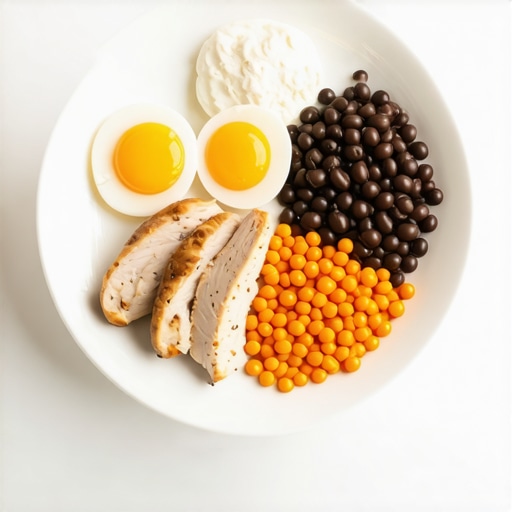
It hit me during one of my midnight snack raids—how am I supposed to hit that 120g protein target without breaking the bank or sacrificing my sanity? Tired of scrambling for affordable, protein-rich options while juggling medication side effects and a busy schedule, I realized many of us are in the same boat. This lightbulb moment set me on a mission: to find practical, budget-friendly ways to fuel my body properly without resorting to gimmicks or expensive supplements.
## Why Eating Enough Protein Matters When Using Prescriptions
If you’re like me, you’re probably navigating the tricky waters of medication-assisted weight loss—like using GLP-1 drugs such as tirzepatide or semaglutide. These meds can suppress appetite, which is a blessing and a curse. The problem? When we’re not eating enough, especially protein, we risk losing muscle mass and slowing down our progress.
Research indicates that high-protein diets can support muscle preservation and satiety during weight loss (Source: National Institutes of Health). Yet, the challenge lies in consistently meeting those protein goals without overspending or feeling overwhelmed. My early mistake was underestimating how simple, affordable protein sources could be integrated into my meals—trust me, it’s easier than you think.
## Overcoming Skepticism: Is High-Protein Eating Actually Cost-Effective?
You might be wondering, “Can I really eat 120g of protein daily without blowing my grocery budget?” Honestly, I doubted it at first. I used to think high-protein meant premium cuts of meat or fancy powders. But I discovered a trick: focus on versatile, budget-friendly sources like eggs, canned tuna, beans, and affordable dairy. Incorporating these into multiple meals turned out to be less expensive and more sustainable than I expected.
If you’re hesitant, I get it. The idea of maintaining a high-protein diet while on medications like GLP-1s or other appetite suppressants can seem daunting, especially with a tight budget. That’s why I’ve put together this guide to help you navigate the realistic strategies I’ve discovered. Want to dive deeper into the science or explore diet plans tailored for your medication regimen? Check out [this detailed resource](https://weightlossdietsadvantage.com/unlocking-safe-prescription-weight-loss-strategies-for-2025) to get started.
Now that I’ve shared my initial struggles and wins, let’s explore the practical steps that can help you hit that 120g protein mark without draining your wallet or complicating your meal prep. Are you ready to make this achievable and yes—enpossible? Let’s go.
Plan Your Daily Protein Intake
Start by calculating your target: 120 grams daily. Think of this as a daily budget—approaching it with a structured plan helps prevent overspending or under-eating. Use a simple app or notebook to track your intake, similar to budgeting finances, which keeps you accountable and aware of your progress.
Choose Affordable Protein Sources
Opt for easily accessible, cost-effective options like eggs, canned tuna, Greek yogurt, beans, and lentils. For instance, during my hectic weekend, I cooked a batch of hard-boiled eggs and prepared tuna salads; these provided quick protein boosts without breaking the bank. Incorporate these into every meal to distribute your protein evenly throughout the day, ensuring sustained satiety and muscle preservation.
Utilize Meal Prep to Simplify Consumption
Meal prepping is like setting up a fueling station—prepare your proteins in bulk for the week. For example, I cooked a large pot of lentil stew and roasted chicken breasts ahead of time. This saves time and reduces the temptation for convenience foods that are usually lower in protein or higher in carbs and fats, which can undermine your progress with medications like semaglutide or tirzepatide.
Implement Protein-Packed Snacks
Snacks are crucial when managing appetite suppression. Keep high-protein snacks handy—think nuts (in moderation), string cheese, or protein bars that are low in sugar. During a busy workday, I reached for Greek yogurt mixed with chia seeds; this tiny effort kept me full for hours and complemented my prescribed diet plan.
Maximize Protein in Every Meal
Incorporate protein sources into all meals, not just main dishes. For example, add a sprinkle of cheese on your salads, include eggs in breakfast, or toss beans into your rice bowls. It’s akin to filling your car’s tank gradually rather than all at once—consistent fueling maintains momentum and prevents cravings.
Adjust Based on Feedback and Results
Monitor how your body responds. If you notice persistent hunger or muscle loss, increase your protein intake slightly or vary sources. Regularly consult with your healthcare provider, especially to tailor your diet appropriately for medications like GLP-1 receptor agonists. For personalized strategies, consider consulting resources like doctor-recommended diet plans for weight loss medications.
Leverage Supplementation Wisely
If reaching your target feels challenging, consider high-quality protein powders designed for prescribed diets. Use them judiciously—think of them as amplification tools, not replacements. For instance, mixing a scoop into your morning oatmeal can give a quick boost without excess cost or complexity. Always check with your healthcare team before adding supplements to ensure they align with your medication regimen.
Stay Consistent and Flexible
Consistency is key; aim for steady intake rather than perfection. Be flexible: if some days are off, make others higher in protein to balance the week. This approach reduces stress and supports sustained progress—vital when meds are suppressing your appetite but you still want to preserve muscle and metabolic health.
Many individuals embarking on prescription weight loss programs believe that simply following the prescribed medication is enough for success. However, let’s dig deeper into this misconception. A common myth is that medications like GLP-1 agonists automatically lead to sustained weight loss without significant dietary adjustments. In reality, without proper diet optimization, these drugs can underperform, and patients may experience muscle loss or nutrient deficiencies. For instance, some assume that adding high-dose appetite suppressants alone guarantees results, but neglecting personalized meal plans can cause nutrient gaps or rebound weight gain once medication tapers off.
Another nuance often overlooked is the importance of integrating dietary support tailored specifically for injection users. Medications such as tirzepatide or semaglutide require a strategic combination with nutrient-dense foods to enhance efficacy and reduce side effects like nausea or bloating. Utilizing a customized diet plan—beyond generic low-carb or low-fat templates—can lead to better body composition and metabolic health.
An advanced mistake many make involves relying solely on prescription diets without considering individual metabolic responses. Studies show that personalized nutrition, especially when aligned with pharmacotherapy, amplifies weight loss and muscle preservation. For example, consulting with healthcare providers about safe, effective combinations—like pairing GLP-1 drugs with high-protein diets—can prevent common pitfalls like hypoglycemia or dehydration. You can explore comprehensive strategies through resources on safe prescription weight loss strategies.
What about the nuance of aligning medication dosage with dietary intake? Many assume that higher doses automatically translate to faster results, but in my experience, a balanced approach that respects the body’s feedback loops yields better, sustainable benefits. It’s crucial to avoid the trap of over-relying on medication while neglecting the significance of nutrient timing, macronutrient balance, and behavioral support.
Finally, beware of the misconception that prescription appetite suppressants alone can override poor eating habits. Effective weight management is a synergy between pharmacology and behavioral modification, including mindful eating and food quality improvements. External expert sources emphasize that integrating diet with medication enhances adherence and long-term success. Discover more insights on doctor-recommended diet plans.
Have you ever fallen into this trap? Let me know in the comments.
Harness Technology for Long-Term Results
Maintaining progress with prescription diets and medications isn’t just about discipline; leveraging the right tools can significantly enhance consistency and monitoring. I personally rely on apps like MyMacros+ to track macronutrients precisely, ensuring I hit my daily protein goals without overspending. This app’s barcode scanner and database features make logging quick, which is crucial when managing complex diet plans for injection users. Additionally, I utilize the Chronometer platform for its detailed nutrient analysis, especially useful for dietary support tailored for GLP-1 drugs. Looking ahead, the trend leans toward integrated health dashboards that sync medication schedules, diet logs, and biometric data, creating a holistic view for sustained weight loss success.
Adopt Effective Meal Preparation Techniques
Meal prepping remains a game-changer. I set aside Sundays to prepare high-protein, low-carb meals like chicken salads and lentil stews, which I can quickly assemble during busy weekdays. This approach prevents impulsive eating, which can sabotage diet plans for injection users by reducing the temptation of carb-heavy takeout. Using software like Mealime or Paprika helps me plan balanced menus aligned with ongoing medication regimens. These tools also generate shopping lists, making grocery shopping efficient and cost-effective. Consistent meal prep ensures you stick to the diet optimized with meds, avoiding the common mistake of sporadic eating that hampers long-term results.
Track Progress with Specific Metrics
Beyond just calorie counts, I monitor markers like lean muscle mass and hydration levels through affordable Bluetooth devices. Platforms like Fitbit or Withings allow seamless data integration, helping me identify when adjustments are needed—say, increasing protein intake or optimizing electrolyte balance. Maintaining this awareness is especially vital for those using prescription appetite suppressants, who might experience shifts in hydration or muscle preservation. Regularly reviewing these metrics can prevent plateaus and ensure your diet with tirzepatide or other meds stays effective over time. In the future, I predict AI-driven insights will offer personalized recommendations based on comprehensive biometric data, making long-term maintenance more intuitive.
Why Do I Need to Keep These Tools in My Pocket?
Staying consistent with a prescription weight loss strategy involves more than just following instructions; it requires ongoing adjustment. These tools provide real-time feedback, accountability, and motivation. For instance, I challenge myself weekly to meet specific protein benchmarks using my apps, which reinforces dietary habits tailored for GLP-1 drugs. Personalization is key, as each individual responds differently to medication and diet plans. Exploring resources on safe prescription weight loss strategies can offer advanced tips on integrating technology for long-term success. Embracing these tools can help you avoid common pitfalls, like nutrient deficiencies or muscle loss, ensuring your journey remains sustainable and effective.
How do I maintain my progress over time?
Consistency, adaptability, and leveraging the latest tech are your best friends. Start by setting up tracking systems—whether apps or journals—and review your data weekly. Adjust your diet or supplement intake based on your biometric feedback. Remember, integrating dietary support for GLP-1 drugs involves not just what you eat but also when and how. For detailed guidance, consider exploring combining medications with customized diet plans. Embracing this holistic approach, with the right tools and strategies, will keep you on track well beyond your initial medication course and translate to lasting weight management success. Don’t forget: consistency is vital, so pick a set of tools and habits you can sustain for months, if not years. I recommend trying out a weekly biometric review combined with meal prep planning to make ongoing adjustments effortless and effective.
Unspoken Lessons from My High-Protein Journey
Through trial, error, and a lot of meal prep, I learned that success isn’t about rigid rules but understanding how your body responds to specific foods and medications. One lightbulb moment was realizing that customizing protein sources based on my daily schedule made a significant difference. For instance, incorporating quick egg-based breakfasts or snackable canned tuna allowed me to stay on track without hassle or high costs. It’s this nuanced approach—listening to my body’s signals—that truly empowered me, and I believe it’s the secret others can adopt for durable results.
Tools and Resources That Changed My Approach
Keeping pace with a complex process of dietary adjustments and medication support demands reliable tools. I swear by MyMacros+ for tracking macros precisely, helping me stay aligned with my goals while managing medication effects. The guide on better sleep habits for med users highlighted just how intertwined sleep quality and dietary habits are, emphasizing a holistic view. Additionally, resources discussed on doctor-recommended diet plans provided me with tried-and-true strategies tailored for medication users, ensuring I wasn’t navigating this path alone.
Embrace the Now and Shape Your Future
Your perfect journey with prescription weight loss strategies begins today. Remember, the real magic lies in combining mindful eating, personalized nutrition, and consistent monitoring—tools I wish I had started with from the beginning. Each step you take toward understanding your unique response to diet and medication stacks is progress. So, why wait to unlock a healthier, more confident you? Dive into coaching, explore what works best for your body, and keep your focus on sustainable change. Your future self will thank you for the effort—start turning those lessons into action now!