
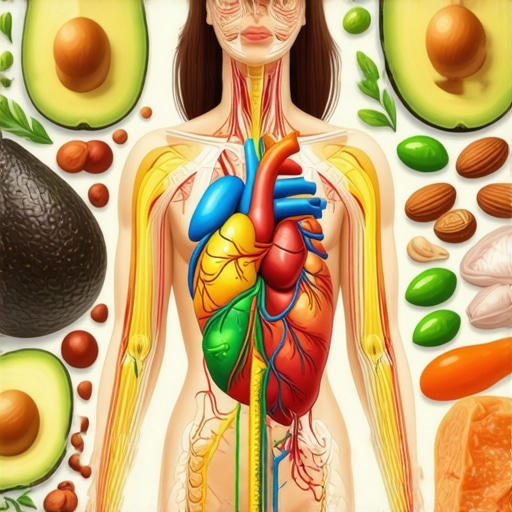
Picture this: after months of sticking to a meticulously planned medication and diet routine, I find myself plateauing. My scale refuses to budge, my energy dips unexpectedly, and cravings sneak back in at the worst times. That moment of frustration hit me hard—was I missing something obvious? Turns out, the answer was simpler than I thought. It wasn’t just about calories or exercise; it was about the fats I wasn’t paying enough attention to. And honestly, I was ignoring a crucial piece of the puzzle for far too long.
Why Your Prescription Diet Needs More Healthy Fats
Many folks assume that reducing fat is the golden rule for weight loss, especially when on medications like semaglutide or tirzepatide. But here’s a little secret: your body actually needs healthy fats to operate efficiently, especially when your medication is doing heavy lifting. Without enough good fats, you might encounter signs indicating that your diet isn’t supporting your medication’s full potential. And believe me, I learned this the hard way early on—mistakenly cutting fats completely and feeling sluggish, foggy, and hungrier than ever. The big mistake? I thought I was doing the right thing by being ultra-low fat, but instead, I was sabotaging my progress.
Is It Really Worth Adding More Fats to My Diet?
Absolutely. Healthy fats like avocados, nuts, seeds, and oily fish are proven to support hormone production, boost satiety, and enhance nutrient absorption. An interesting fact? According to research, incorporating the right fats can actually improve insulin sensitivity and metabolic health, both critical when on prescription weight loss meds. If you’re experiencing issues like unexpected hunger spikes or lack of energy, it’s worth considering that your diet might be missing this vital component. I found that simply adding a handful of nuts or a drizzle of olive oil made a world of difference in how I felt and how effectively my medication worked.
But how do you know if your diet truly needs more healthy fats? That’s what I’ll help you uncover—by recognizing the signs that your regimen isn’t supporting your medication’s full potential. Are you noticing persistent hunger, mood swings, or fatigue? Do you feel like your progress has stalled without any obvious reason? If so, you might be experiencing the first signs that your prescription diet needs a fat boost.
So, if you’re ready to take control and fine-tune your nutrition, keep reading. I’ll walk you through the key indicators that signal your body craves more healthy fats—and how to add them without overdoing it. Because, trust me, small adjustments with the right fats can lead to big results.
Add Fats Strategically to Your Meals
Start by identifying meals where you can easily drop in healthy fats. For example, replace plain chicken with grilled chicken topped with a drizzle of olive oil and sliced avocado. This simple swap adds monounsaturated fats that support hormone production and satiety. When I did this during my lunch prep, I noticed my afternoon hunger diminished, and my energy levels stayed stable longer.
Integrate Nuts and Seeds into Your Routine
Snack on a handful of almonds or sprinkle chia seeds over your yogurt to boost healthy fat intake without complicating your meal plan. During a hectic week, I added a tablespoon of flaxseed to my morning smoothie. It was a quick fix that enhanced nutrient absorption and kept me full until lunch. Keep portion sizes in check to avoid calorie overload.
Favor Fatty Fish Over Processed Proteins
Replace processed meats with oily fish like salmon, mackerel, or sardines at least twice weekly. These foods are rich in omega-3 fatty acids, which can improve insulin sensitivity—crucial when on medications like semaglutide or tirzepatide. I experimented with baked salmon for dinner, and over time, I found my cravings for carb-heavy snacks decreased significantly.
Adjust Your Cooking Habits
Use extra virgin olive oil or avocado oil instead of butter or margarine when cooking. This simple change boosts your intake of healthy fats and reduces inflammatory trans fats. During my changeover, I switched all frying to sautéing in olive oil, which helped me feel more satiated and supported my medication regimen better.
Plan Meals with a Fat-First Approach
Design your meal plans to include healthy fats first. For example, start with avocado slices or a handful of nuts before adding proteins and carbs. I used a meal-prep Sunday to assemble salads with chickpeas, avocado, and olive oil dressing, making it easier to stick to my diet on busy days.
Monitor and Fine-Tune Your Intake
Keep a food diary emphasizing fat sources to identify gaps or excesses. Over a few weeks, I tracked my meals and noticed I was under-consuming omega-3-rich foods. By intentionally adding oily fish and flaxseeds, I observed increased satiety and more steady energy, aligning with my medication’s effectiveness.
Always remember, incorporating healthy fats isn’t about overeating but about optimizing your body’s response to medications and lifestyle changes. Regularly evaluate how your new fat intake impacts your hunger, mood, and progress, and adjust accordingly. For tailored advice, consulting resources like this guide can provide additional strategies to enhance your diet plan with medication support.
When it comes to optimizing weight loss with medication, many believe that simply following a prescribed meal plan or relying solely on the medication will do the trick. However, this oversimplification ignores critical nuances that can make or break your results. For instance, a common myth is that prescription appetite suppressants work best when eaten alone, without regard to diet quality. In reality, the synergy between medication and tailored nutrition strategies amplifies fat loss and sustains long-term success.
One often overlooked aspect is how improper timing and macro distribution can diminish medication efficacy. For example, consuming high-carb meals close to your injection time might cause insulin spikes that counteract appetite suppression. Advanced users understand that aligning meal composition with medication peaks requires a strategic approach, integrating knowledge from endocrinology and nutrition science.
Are There Risks in Over-Adjusting Your Meal Plan Without Medical Guidance?
Absolutely. Overly restrictive or unbalanced diets while on medications like Wegovy or Ozempic can lead to nutrient deficiencies, rebound hunger, and even metabolic slowdown. A study published in the *Journal of Clinical Endocrinology & Metabolism* emphasizes the importance of personalized diet adjustments to complement pharmacotherapy, ensuring sustained weight loss and metabolic health.
Many assume that increasing healthy fats or proteins automatically boosts results, but without proper monitoring, this can backfire. Excess fats may lead to caloric surplus, reducing the calorie deficit essential for fat loss, especially when medication already suppresses appetite. The key lies in precise macro calibrations tailored to individual responses, emphasizing quality over quantity.
Furthermore, a crucial nuance is the role of behavioral habits. Relying solely on medication without addressing underlying emotional eating, stress management, or sleep quality diminishes the overall effectiveness. Integrating behavioral therapy with prescription strategies enhances the likelihood of sustained success.
To navigate this complex landscape, consult comprehensive resources like this guide which delves into the science-backed protocols combining medication with nutrition adjustments. Remember, the most effective weight loss strategies are those that recognize and adapt to individual metabolic nuances rather than applying a one-size-fits-all approach.
What do you think is the most common misconception about medication and diet synergy? Do you believe your current plan accounts for these hidden nuances? Share your experience in the comments, and let’s discuss how to optimize your results together.
Invest in the Right Tools for Long-Term Success
Maintaining progress while on prescription medications like semaglutide or tirzepatide requires more than just discipline; it demands strategic tools and routines. Personally, I rely on a combination of advanced meal planning software and precise kitchen equipment to ensure my nutrition stays optimized over time. For instance, MyFitnessPal has become my go-to app, not only for tracking macros but also for integrating specific medication considerations, such as monitoring fat intake to support hormone regulation. Its custom food database allows me to log healthy fats like avocado and nuts accurately, which is crucial when tailoring my diet to medication effects.
On the kitchen side, I swear by a high-quality digital food scale. Precise measurements help me stay within my calorie and macro targets, especially when incorporating beneficial fats that are easy to overconsume. I also employ a sous-vide cooker for perfectly cooked fatty fish like salmon, ensuring maximum nutrient retention. These small tools keep me aligned with my goals, in sync with my medication therapy.
How do I maintain these strategies long-term?
Consistency is key. Setting recurring weekly reminders to review my food logs and progress via my app keeps me accountable. Additionally, I tune my equipment periodically—calibrating my scale, for example—to ensure accuracy over time. As my body adapts to medication, my routines evolve; I stay flexible by exploring new healthy fats and integrating seasonal ingredients to keep my meals exciting yet aligned with my calorie goals.
Looking ahead, I believe that integrated digital platforms combining meal planning, medication trackers, and educational resources will revolutionize weight management. For now, leveraging personalized tools like doctor-approved diet plans tailored to specific meds, combined with reliable tools, keeps me on track and helps sustain my results.
Experimenting with a meal prep routine using detailed planning apps can streamline your week, making healthy eating second nature. For example, pre-portioning meals with precise fats and proteins allows you to avoid last-minute temptations and ensures your medication works optimally.
Remember, the goal isn’t just to lose weight but to create a sustainable lifestyle. That means integrating tools and routines that support your physiology and medication plan. Don’t hesitate to explore innovative equipment and apps—you might find they make your journey smoother and more successful. To deepen your understanding of personalized strategies, check out this resource for expert tips on customizing your diet with meds.
Future Trends in Weight Management Tools
Looking forward, wearable tech that monitors biomarkers like glucose and hormone levels could offer real-time feedback on how your diet and meds interact. Imagine smart kitchen devices that adjust cooking times or heat based on nutrient composition—making meal prep both easier and more precise. These innovations promise to support better adherence to prescribed protocols, ultimately enhancing long-term results.
If you’d like to elevate your weight loss approach, try integrating a digital food scale and a comprehensive app for tracking fats and macros. These simple yet powerful tools can bridge the gap between medication and nutrition, ensuring your efforts are sustained over the years.
As I reflect on my journey with diet optimization alongside medications like tirzepatide and semaglutide, one profound lesson stands out: small, strategic adjustments can lead to extraordinary results. I discovered that neglecting healthy fats not only hampers energy levels but also diminishes the effectiveness of weight loss medications. Recognizing this shifted my entire approach, transforming my plate—and my progress.
The Hidden Power of Few Simple Choices
Incorporating omega-3-rich fish or a handful of nuts became game-changers. These choices support hormone balance, enhance satiety, and improve nutrient absorption—all crucial when on prescription weight loss programs. I learned that deliberate meal tweaks, like drizzling olive oil or adding chia seeds, amplify medication benefits without complicating routines.
Trusting the Tools That Elevate Your Journey
Utilizing tools like doctor-approved meal plans and a high-precision food scale ensured my efforts stayed consistent. These resources helped me fine-tune my fat intake and keep me motivated, especially during plateaus. They confirmed that integrating the right tools makes a lasting difference in achieving and maintaining weight loss success.
Your Next Step Starts Today
Embracing these insights empowers you to take control of your prescription diet. Remember, optimizing fats isn’t just about burning fat—it’s about nurturing your body’s resilience and supporting your medication’s full potential. With patience and the right strategies, you can transform your health and redefine what’s possible.
What’s one small change you’re ready to implement today to enhance your prescription weight loss journey? Share below—I’d love to hear your thoughts and support your progress!