
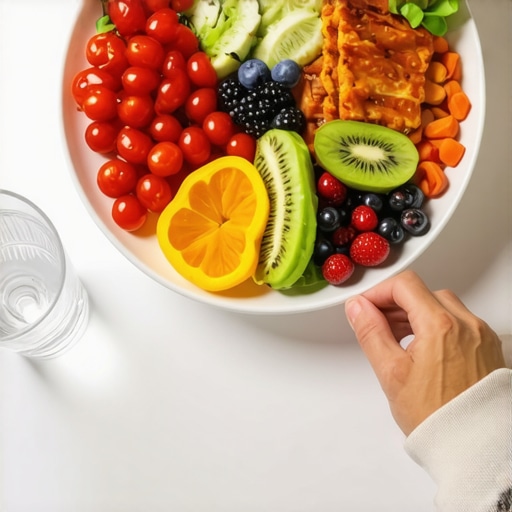
I remember the first time I faced intense nausea after starting a prescription weight loss medication, feeling like I was battling my own body with every meal. It’s a frustrating experience, especially when you’re committed to shedding pounds and embracing a healthier lifestyle. If you’ve recently begun a diet plan involving medications like tirzepatide or semaglutide, chances are nausea has become an unwelcome companion. But here’s the thing—this isn’t a sign to give up; it’s a signal that your body needs some adjustments.
Why Managing Nausea Matters More Than Ever in 2026
Getting a handle on nausea is crucial because it can sabotage your progress before you even see results. Persistent discomfort might tempt you to abandon your carefully planned diet or skip essential medications, which defeats the purpose entirely. Luckily, small tweaks to your nutrition can significantly ease symptoms. I’ve been there, fumbling through missteps like neglecting the importance of eating low-acid foods or misjudging portion sizes. Early on, I made the mistake of ignoring my body’s signals, thinking that pushing through nausea was a sign of dedication. But that only prolonged my discomfort, and worse, it dampened my motivation.
Are you tired of feeling queasy and wondering if your medication is doing more harm than good? You’re not alone, and the good news is that manageable diet tweaks can turn things around. By adjusting what and how you eat, you can make your medication work *with* your body rather than against it. In the upcoming sections, I’ll share practical strategies based on my personal journey and backed by expert advice, including insights from healthcare professionals about optimizing nutrition alongside prescription weight-loss meds.
Is It Really Worth Changing Your Diet Just for Nausea Relief?
Early in my journey, I underestimated the power of small dietary changes. I thought nausea was just a temporary hurdle, so I kept eating the same foods, expecting the discomfort to fade—big mistake. Turns out, simplifying my meals, avoiding spicy or acidic foods, and adding more low-acid options made a huge difference. For instance, incorporating gentle, nutrient-dense foods like bananas, oats, and cooked vegetables eased my stomach and kept me energized.
If you’re facing the same struggles, know that these tweaks aren’t just about comfort—they’re about ensuring your medication’s benefits aren’t lost to preventable side effects. Want to discover more about tailoring your nutrition with medications like tirzepatide or semaglutide? Check out detailed guides that can help you craft a plan suited to your needs [here](https://weightlossdietsadvantage.com/tailoring-nutrition-with-tirzepatide-a-new-weight-loss-blueprint) and [here](https://weightlossdietsadvantage.com/combining-semaglutide-with-custom-diet-plans-expert-tips).
Now, let’s get into the practical steps you can implement today to reduce nausea and make your weight loss journey smoother and more sustainable.
Adjust Your Meal Timing and Composition
One of the most effective ways to manage nausea is to timing your meals properly. Instead of skipping breakfast or overloading at dinner, aim for small, frequent meals throughout the day. When I started a tirzepatide regimen, I found that spreading out my food intake prevented overwhelming my stomach. For instance, having a light breakfast like a banana or oatmeal helped reduce morning nausea. Incorporate easy-to-digest foods such as cooked vegetables, ripe bananas, or plain rice to keep your stomach settled. Remember, the goal is to avoid sudden spikes in stomach acidity that can worsen nausea.
Select Low-Acid and Gentle Foods
Acidic foods are notorious for causing discomfort, especially when on medications like semaglutide. Cut back on citrus fruits, tomato-based sauces, and spiced dishes. Instead, opt for bland, soothing options such as applesauce, boiled potatoes, or plain toast. I experienced a noticeable decrease in nausea when I replaced my spicy chili with a simple chicken broth soup. This dietary shift is crucial, as it prevents irritation of your stomach lining, making your medication work more effectively and comfortably.
Stay Hydrated and Avoid Dehydration Triggers
Dehydration can worsen nausea, so sip small amounts of water throughout the day. Avoid caffeinated or sugary drinks, as they may irritate the stomach or lead to dehydration. I started carrying a reusable water bottle and set reminders to drink regularly, which significantly alleviated my nausea symptoms. Proper hydration supports digestion and helps maintain electrolyte balance, reducing the feeling of queasiness during your weight management journey.
Implement Mindful Eating Habits
Eating slowly, chewing thoroughly, and paying attention to fullness cues can prevent overeating and reduce nausea. When I was rushing through my meals—especially after a workout—I felt worse afterward. Instead, I took 20 minutes per meal, which gave my stomach time to signal satiety and eased digestion. This mindful approach ensures your body adapts to medication-induced appetite changes without discomfort.
Strategic Use of Supplements and Nutrients
Some supplements, like ginger or peppermint, are known for their anti-nausea properties. I added a small piece of fresh ginger to my tea, which provided immediate relief. Avoid high-fat, greasy foods that slow digestion, and instead focus on nutrient-dense, low-fat options to help your body process medication more easily.
Micro-Story of Practical Implementation
Initially, I struggled with nausea despite dietary tweaks. Then, I started taking my medication right after a small snack, such as a banana, and avoided eating large meals late at night. Combining these strategies and staying consistent helped me regain comfort and stay on track with my weight loss plan. This trial-and-error process underscored the importance of personalized adjustments—what works varies per individual, so monitor your response and fine-tune accordingly.
Remember to Consult Healthcare Providers
While diet modifications are crucial, always discuss any persistent nausea with your doctor. They can suggest additional therapies or adjust your medication dose safely. For tailored guidance, consider reviewing their recommendations on prescription diets and nutrition strategies, like those outlined in doctor-recommended diet plans.
Many individuals assume that simply taking prescription appetite suppressants guarantees effortless weight loss, but this is a misconception. The reality is that these medications are powerful tools, yet their effectiveness heavily depends on accompanying lifestyle changes and personalized strategies. A common trap is oversimplifying their role, leading to neglect of crucial dietary nuances. For example, some believe that medications alone can offset poor nutrition choices, but this can result in metabolic imbalances or suboptimal results. In fact, advanced users understand that a customized diet tailored to the medication’s mechanism enhances outcomes.
One nuanced mistake is failing to adjust macronutrient ratios appropriately. For instance, utilizing a diet with insufficient protein while on tirzepatide can cause muscle loss, undermining long-term health and weight management goals. According to recent research, a high-protein intake supports muscle retention during caloric deficits, especially when combined with medications. Moreover, many overlook the importance of focusing on nutrient-dense foods that complement GP-1 receptor agonists like semaglutide, ensuring satiety and stable blood sugar levels.
A hidden nuance involves timing meals strategically. Taking medications on an empty stomach might seem logical for absorption, but it can increase nausea and reduce compliance. Conversely, some experts recommend consuming small, low-acid meals shortly after medication intake to maximize absorption and minimize side effects.
An advanced tip I’ve learned is that combining medication with specific dietary fats influences absorption rates. Healthy fats, like omega-3s, not only aid in reducing inflammation but also enhance the bioavailability of certain drugs, creating a synergistic effect. Neglecting this can diminish medication efficacy.
Avoid falling into the trap of generic ‘one-size-fits-all’ diet plans. Instead, consult healthcare professionals or leverage personalized plans, such as those detailed on this resource. Tailoring your diet ensures compatibility with medication pharmacokinetics and your unique metabolic profile.
Lastly, beware of common myths like the idea that carb restriction is always beneficial; some research suggests including moderate, complex carbs enhances energy levels and supports thyroid function during weight loss with medications. Striking the right balance is essential.
Remember, mastering the nuances of nutrition with prescription meds can significantly amplify your weight loss success. Consistency, personalization, and strategic planning are key. Have you ever fallen into this trap? Let me know in the comments.Maintaining weight loss results achieved through prescription medications and tailored diets requires more than just good intentions; it demands reliable tools and consistent routines. One of my personal favorites is using a **digital food journal app like MyFitnessPal**, which helps me track macronutrient intake and stay aligned with my personalized diet plan. Its barcode scanner simplifies logging, and the database includes low-acid and nutrient-dense foods ideal for medication support. I also rely heavily on **digital blood glucose monitors** because fluctuations can influence appetite and medication effectiveness, especially when combining diet with drugs like semaglutide. Regular monitoring encourages proactive dietary adjustments and helps avoid surprises that might stall progress.
Lessons from the Trenches: Hidden Truths About Prescription Weight-Loss Strategies
One of the most unexpected lessons I learned was that small, consistent dietary adjustments could dramatically reduce nausea, turning a frustrating side effect into a manageable part of my journey. I realized that being attentive to my body’s signals and tweaking my meal timings and composition made all the difference, often more than I expected. These insights came through trial, error, and a good dose of patience, revealing that personalized approaches are essential when combining medications like tirzepatide or semaglutide with diet modification.
Another revelation was the critical role of understanding how specific nutrients, like healthy fats and low-acid foods, can influence medication absorption and effectiveness. Knowing that simple swaps—like replacing spicy dishes with bland, nutrient-rich options—could enhance comfort and results opened my eyes to the power of intentional eating. It underscored that success isn’t just about taking medication but creating a supportive nutritional environment.
Lastly, I discovered that ongoing education and seeking expert advice, especially from healthcare providers familiar with prescription diets, is invaluable. Resources such as doctor-recommended diet plans offer tailored strategies that amplify results and safety. Embracing this knowledge transforms the daunting into the doable, making your weight loss journey more sustainable and less intimidating.
The Ultimate Toolkit for Optimizing Your Medication-Enhanced Weight Loss
To support your goals, I rely on practical tools that keep me on track. Apps like MyFitnessPal help track dietary intake, ensuring I stay aligned with my personalized plan, while digital glucose monitors provide real-time feedback on how foods impact my blood sugar levels. These tools aren’t just tech—they’re my partners in navigating the nuances of nutrition and medication synergy, and I trust them because they empower daily, informed decisions.
Additionally, reading expert-authored books like Unlocking Safe Prescription Weight-Loss Strategies for 2025 provides deeper insights into the science driving these medications and how to complement them effectively. Incorporating these resources keeps me motivated and grounded, transforming abstract advice into actionable steps that fit into my life seamlessly.
Your Next Chapter in Weight-Loss Success
Embarking on a journey with prescription appetite suppressants and diet tweaks in 2026 isn’t just about shedding pounds—it’s about empowering yourself with knowledge, strategies, and the confidence to adapt as you go. Remember, every small success builds a foundation for bigger ones. So, take that first step today, armed with the insights that can make your progress smoother and more sustainable.
What’s one dietary tweak you’ve found helpful in managing medication side effects? Share your experience below — your story might inspire someone else to turn their challenges into victories!