
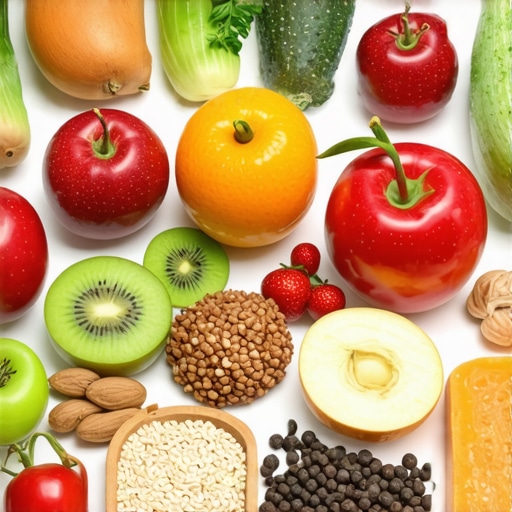
I remember the moment vividly — after starting a new medication regimen for weight management, I felt that common gnawing discomfort in my stomach, and worse, unexpected bloating that made me rethink my healthy eating goals. It was frustrating. I knew fiber was essential for overall health and weight loss, but every time I tried increasing my intake, my gut protested loudly. Have you ever faced that same dilemma — eager to boost your fiber but held back by gastric distress? You’re not alone. Many folks struggle with finding that sweet spot where fiber fuels progress without causing discomfort.
Why Increasing Your Fiber Matters More Than Ever
Fiber plays a vital role in health, especially when you’re on prescription diets or medications like semaglutide or Ozempic. It helps regulate blood sugar, supports digestion, and even aids in satiety, making your weight loss journey smoother. But here’s the catch — ramping up fiber too quickly or without the right approach can backfire, leading to bloating, gas, and discomfort. That’s why I’ve dedicated myself to discovering safe, effective ways to incorporate more fiber into my meals without the dreaded gastric distress.
Is Fiber Supplementation the Answer?
Early on, I made the mistake of relying solely on fiber supplements, thinking they would be a quick fix. However, I soon found that unnatural fibers or too much at once only worsened my symptoms. It was eye-opening to learn that natural food sources, combined with gradual adjustments, offered better results. According to research, a balanced increase in dietary fiber can improve gut health and support weight management without side effects when done carefully (source: see here).
So, how do you navigate this fibrous labyrinth safely? That’s what I’ll explore next — practical, proven ways to elevate your fiber intake without the stomach fireworks. If you’ve battled with this, stay with me; I’ve got some personalized tips that might just change your game.
Implement Gradual Fiber Elevation for Comfort
Start by adding small portions of fiber-rich foods like berries, spinach, or oats to your meals. Think of your gut as a muscle that needs to be gradually trained; jumping straight into high fiber intake can cause discomfort. I recall when I first tried to double my fiber intake overnight — the bloating was severe. Instead, I began with a teaspoon of chia seeds daily, slowly increasing to a tablespoon over two weeks. This method allowed my digestive system to adapt without flare-ups, illustrating the importance of progression.
Choose Natural Over Supplements for Better Tolerance
While supplements like psyllium husk seem like a quick fix, they can irritate sensitive guts if not introduced carefully. Focus on whole foods such as vegetables, legumes, and whole grains. During my experimentation, I replaced a fiber supplement with a lentil soup one evening, which resulted in less gas and smoother digestion. Natural sources contain other nutrients that work synergistically with fiber, enhancing overall health and aligning with prescription diet plans for injection users.
Pair Fiber with Hydration and Healthy Fats
Hydration is critical since fiber absorbs water. Without adequate fluids, increased fiber can lead to constipation. I made a point to drink at least 8 glasses of water daily when boosting my fiber, which helped keep everything moving smoothly. Incorporate healthy fats like avocado or olive oil to aid digestion, much like lubricating a machine. For example, drizzling olive oil over a spinach salad made the fiber easier to handle and improved satiety, complementing your diet for injection users.
Strategic Timing and Consistency Matter
Consistently consuming fiber at set times helps your gut establish a routine. I found that eating high-fiber foods at lunch instead of dinner prevented nighttime bloating. Establish habits by planning meals with an eye on fiber content and timing, which integrates seamlessly with medication schedules and optimizes weight loss results. You can explore tailored nutrition strategies with Tirzepatide by visiting this resource.
Build Your Plate and Document Your Progress
Use a food diary to track your fiber intake and symptoms. It was illuminating for me to see that some vegetables caused more bloating than others, allowing adjustments. Employ visual tools or apps to maintain a consistent increase without overdoing it, crucial in prescription weight loss strategies. This detailed tracking supports your personalized diet plan, as discussed in doctor-approved plans. By methodically applying these steps, you’ll enhance your fiber intake safely, paving the way for better digestion and sustained weight loss progress.
Many assume that simply following a prescribed weight loss plan or medication guarantees success, but the reality is far more nuanced. A common misconception is that medication alone, such as semaglutide or Ozempic, will automatically lead to significant weight loss without lifestyle adjustments. In truth, relying solely on these medications without strategic nutritional support can undermine their effectiveness. For example, without proper dietary guidance, some users experience increased hunger or cravings that sabotage progress, highlighting the importance of integrating personalized diet plans.
Another trap many fall into is the belief that more medication means faster results. However, pushing doses beyond recommended levels or neglecting dietary optimization can cause adverse effects or plateaus. It’s a delicate balance; combining medications with tailored nutrition strategies enhances outcomes and minimizes risks. According to expert insights, synchronized medication and nutrition management are critical, especially when aiming for sustainable weight loss (see this detailed guide).
What’s the Most Overlooked Nuance in Prescription Diet Strategies?
The real secret lies in ‘timing and personalization.’ Many overlook how crucial it is to adapt dietary choices around medication schedules, activity levels, and individual metabolism. For instance, taking certain medications with high-fiber foods or healthy fats can improve tolerability and absorption, amplifying their benefits. Conversely, ignoring these nuances may lead to gastrointestinal discomfort or suboptimal weight loss. A recent study emphasizes that personalized nutrition, especially when paired with medication, can significantly improve compliance and results (explore this here). Ultimately, success hinges on understanding and leveraging these subtle yet powerful details.
Many believe that prescription diets are a one-size-fits-all solution, but this couldn’t be further from the truth. The key to optimizing your regimen involves meticulous planning—considering your unique physiology, medication interactions, and lifestyle. By avoiding common pitfalls and embracing a personalized approach, you set yourself up for sustained success. Ready to refine your strategy? Dive into comprehensive resources like doctor-approved plans and learn how tailored nutrition complements your medication journey. Remember: informed adjustments are your best allies in the quest for lasting weight loss. Have you ever fallen into this trap? Let me know in the comments.
Keeping It Working: Reliable Tools for Long-Term Success
Maintaining your progress with prescription diet plans and medications like semaglutide or Ozempic requires more than just dedication; it demands leveraging effective tools that adapt to your evolving needs. I personally rely on a combination of advanced meal tracking apps and customized meal prep strategies to stay on course. For example, MyFitnessPal isn’t just for calorie counting—its barcode scanning feature and vast food database help me precisely monitor nutrient intake, especially when integrating fiber-rich foods to support digestion and medication efficacy. Additionally, I use Evernote for logging weekly progress, jotting down symptom changes, and planning meal adjustments, ensuring consistent optimization.
Over time, I’ve learned that seamless integration between your tracking tools and your healthcare team accelerates success. Sharing detailed logs through patient portals or scheduled check-ins ensures your provider can fine-tune medication and diet strategies effectively. As the trend toward digital health grows, future innovations may include AI-powered apps that analyze your habits and suggest personalized tweaks—imagine having a virtual dietitian analyzing your patterns in real-time, much like the emerging high-protein lunch tips.
How do I maintain these tools over time?
Consistency is key. Regularly updating your food logs, syncing devices, and reviewing your progress allows you to catch plateaus early and adjust. For instance, I set weekly reminders to evaluate my fiber intake and hydration levels, which are critical when combining diet with medications such as Tirzepatide, per recent guidelines here. Additionally, I recommend exploring integrated health platforms that connect dietary data with biometric tracking—these are poised to become essential in future weight loss strategies.
Remember, optimizing your tools isn’t a set-and-forget process; it requires active engagement and periodic reassessment. Today, I challenge you to incorporate a high-accuracy digital food scale into your routine, which provides precise measurements crucial for tweaking macro ratios and enhancing medication effectiveness. This small investment can significantly elevate your long-term results.
Stay proactive by regularly reviewing your data and consulting your medical team. Combining technology with personalized strategies will help keep your weight loss journey efficient and sustainable. For more tailored advice, consider visiting this resource.

The Lessons We Don’t Usually Hear About Combining Diets and Medications
- One of the biggest surprises I encountered was realizing that rapid increases in fiber often lead to uncomfortable bloating, reminding me that patience and gradual changes are essential. I once doubled my fiber intake overnight, only to spend the evening in discomfort. Learning to listen to my body taught me that slow progression prevents setbacks.
- Another insight was understanding that natural food sources of fiber—like vegetables and whole grains—are gentler on digestion than supplements. Initially relying solely on supplements caused more gas; switching to whole foods, combined with careful timing, made a significant difference. This shift made me appreciate the synergy between food and medication.
- Perhaps most importantly, pairing hydration with fiber intake became a game-changer. I found that increasing water helped avoid constipation and improved overall comfort, reinforcing how vital water is when supporting prescription weight loss strategies, especially with medications like semaglutide or Ozempic.
- Finally, I learned that consistency and detailed tracking in tools like MyFitnessPal and Evernote helped me fine-tune my diet plan. Monitoring my fiber intake and symptoms revealed patterns that prompted personalized adjustments, emphasizing the power of data in managing a successful weight loss journey.
Tools and Resources That Became My Personal Armor
- MyFitnessPal: I trust it because its barcode scanner and large food database simplify tracking, especially when aiming for steady fiber increases and medication compatibility. It keeps me accountable without hassle.
- Evernote: This digital journal helps me reflect on weekly progress, symptom flare-ups, and meal tweaks, allowing me to stay organized and driven toward my goals.
- Tailored Nutrition Resources: Exploring personalized plans designed for medications like Tirzepatide offers insights into optimizing diet and medication protocols for lasting success.
- Educational Articles and Guides: Sites that provide evidence-based advice, such as the comprehensive guides on prescription diet strategies, help me stay informed on how to navigate the nuances of medication and nutrition synergy.
Your Next Step Toward Harmonized Weight Loss Success
This journey isn’t just about what you consume but how you approach it—balancing fiber, hydration, and medication to create a sustainable routine. Remember, small, consistent adjustments make the biggest difference over time. Imagine the impact of fine-tuning your diet with tools and knowledge tailored specifically to your needs—it’s within your reach. If you’re ready to take your weight loss journey to the next level, explore this detailed resource and start customizing your path today. Keep moving forward—your health transformation awaits!